You’re locked in your own tower while a forest fire spreads outward with every card flipped, and the only way to survive the night is to outlast both the flames and whoever is orchestrating them. Arsonate turns a wildfire into a deck of cards, splitting every decision between fueling the blaze, fighting it back, or redirecting it toward someone else’s tower entirely.
Trapped in a Tower, Playing Against Fire Itself
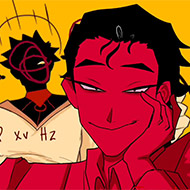
The premise of Arsonate is built around a forest fire threatening survival while players are confined within individual fire towers. Rather than resolving through real-time action, the danger plays out through a deck of specialized cards that either fuel or fight the fire consuming the forest around each player. A mysterious figure known as the HOST oversees the game, manipulating events and seeking to burn down all opposing towers before the players can outlast the blaze or turn it back on the HOST itself.
That framing gives Arsonate a tone closer to a death game than a straightforward card battler — every round is explicitly about outlasting the fire and the HOST’s manipulations rather than simply winning a hand.
Three Kinds of Cards, One Spreading Fire
The card system in Arsonate is split into three types: Fire cards, Utility cards, and Redraw cards. Utility cards do most of the tactical heavy lifting, letting players manipulate the fire’s direction or intensity, fortify their own tower against incoming flames, or actively sabotage the HOST’s efforts to spread the blaze further. Every decision requires weighing defense of your own tower against opportunities to redirect danger toward the HOST’s structure instead.
That balance between offense and defense is where most of the strategic depth in Arsonate sits — a player who only fortifies their own tower without ever pushing the fire elsewhere tends to fall behind against opponents willing to take more direct risks with Utility cards.
Playing Too Defensively
New players often default to purely defensive play, spending most of their cards fortifying their own tower rather than ever manipulating the fire’s direction outward. Since the game rewards actively redirecting danger toward the HOST or other towers, that overly cautious approach tends to leave defensive players stuck losing slowly rather than surviving actively.
Solo or With Others?
Arsonate supports both formats — players can face the HOST alone in single-player mode, or bring the same fire-versus-tower tension into multiplayer PvP matches against other players.
- What are the three card types? Fire, Utility, and Redraw cards, each serving a different role in managing the spreading blaze.
- Can I play against the HOST alone? Yes, a single-player mode lets players face the HOST directly without other players involved.
- How many endings does Arsonate have? Three distinct endings exist, shaped by how players interact with the fire, the HOST, and each other over the course of a match.
Why the HOST Makes This More Than a Survival Timer
What keeps Arsonate from playing like a simple countdown-to-disaster game is the HOST’s active role in manipulating events during a match. The threat isn’t just the fire spreading passively — it’s a mysterious opposing presence actively working against every player’s tower, which turns each round into a negotiation between managing the environment and outmaneuvering an intelligent-feeling opponent.
Discussion among players tends to focus on how differently a match can play out depending on how aggressively someone uses Utility cards to redirect the fire rather than simply defending in place. That variability is part of why Arsonate holds attention past a first match — the three possible endings reward genuinely different strategic approaches rather than a single dominant path to survival.
Outlasting the Last Flame
Arsonate earns its tension by keeping the stakes concrete even though the game itself is entirely card-based: a tower actually burns down if the fire and the HOST’s manipulations go unanswered for too long, and every Fire, Utility, and Redraw card drawn represents a real shift in who’s winning the exchange. Between choosing to fortify, redirect, or sabotage, and deciding whether to face the HOST alone or alongside other players, Arsonate turns a single spreading fire into a surprisingly deep set of decisions. Anyone who’s learned to read when to defend and when to push the flames outward already has the instincts this kind of tension-driven card survival game rewards most.