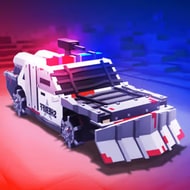
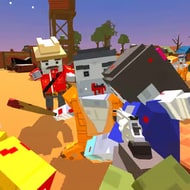
In Zombie Derby: Pixel Survival you start with a car, a road full of the infected, and a simple rule: momentum is the only thing keeping you alive. Built as a side-scrolling arcade game blending vehicular combat with survival elements, Zombie Derby: Pixel Survival keeps its pixel-art presentation retro while its actual mechanics — driving, shooting, and upgrading — stay firmly modern arcade.
A Post-Apocalyptic Road With No Shortage of Traffic
The world of Zombie Derby: Pixel Survival is presented as thoroughly overrun, with the road itself functioning as the main obstacle course. Zombies don’t just wander into the player’s path passively — the game treats the drive forward as a constant negotiation between speed, obstacles, and however many infected happen to be standing in the way at a given moment.
The pixel-art style keeps the presentation lighter than the premise suggests, but the underlying loop is still built around genuine survival pressure: keep the car moving, keep the zombie count down, and keep the vehicle in good enough shape to reach the end of the stretch of road in front of you.
Driving and Shooting at the Same Time
Zombie Derby: Pixel Survival separates itself from a straightforward racer by requiring the player to manage combat and driving simultaneously rather than treating them as separate phases. Side-scrolling vehicular combat means obstacles, terrain, and zombies all compete for attention at once, and success depends on handling all three without over-focusing on any single one.
Upgrades form the backbone of long-term progression. As runs continue, players can improve their vehicle to handle rougher terrain, tougher zombie encounters, and longer stretches of road, turning each completed run into direct investment toward the next attempt.
Treating It Like a Pure Racer
New players tend to prioritize speed above everything else, treating the game like a pure racer rather than a hybrid of racing and combat. Since obstacles and zombie encounters require active management rather than simply being outrun, that speed-first approach is one of the more common reasons early runs end faster than expected.
How Does Progression Work Between Runs?
Vehicle upgrades carry over between attempts, letting players who improve their car after a run take on tougher stretches of road and larger zombie encounters with better odds than their previous attempt.
- Is Zombie Derby: Pixel Survival more about driving or shooting? Both simultaneously — the game is built around managing vehicular movement and combat at the same time rather than favoring one over the other.
- Do upgrades matter between runs? Yes, vehicle upgrades are a core part of progressing to tougher sections of the road.
- What genre best describes it? A side-scrolling arcade hybrid of vehicular combat and survival, built around a zombie-apocalypse setting.
Why Players Keep Returning to This Road
Zombie Derby: Pixel Survival draws comparisons to other post-apocalyptic driving games, but its pixel-art presentation and its emphasis on side-scrolling combat rather than open-world exploration keep it in a lane of its own. Players discussing the game tend to focus on the balance between arcade-style accessibility and the genuine pressure of managing a deteriorating vehicle against an endless supply of zombies.
The game’s arcade roots show in how quickly a run can start and end — there’s no lengthy setup between attempts, which keeps the loop of driving, shooting, upgrading, and trying again moving at a pace that matches its retro presentation.
Reaching the End of the Road
What keeps Zombie Derby: Pixel Survival engaging past the first few runs is the upgrade loop feeding directly back into how far a player can push on the next attempt — a car that barely survives one stretch of road becomes noticeably more capable once its weapons and armor have been improved. That steady improvement, paired with the constant demand to manage driving and combat together, is what separates Zombie Derby: Pixel Survival from a simple side-scrolling shooter wearing a driving game’s skin. Anyone who’s learned to balance speed against survival here carries that instinct directly into any other vehicular-combat survival game.